
Why Your Skin Looks Different in Your 30s and 40s
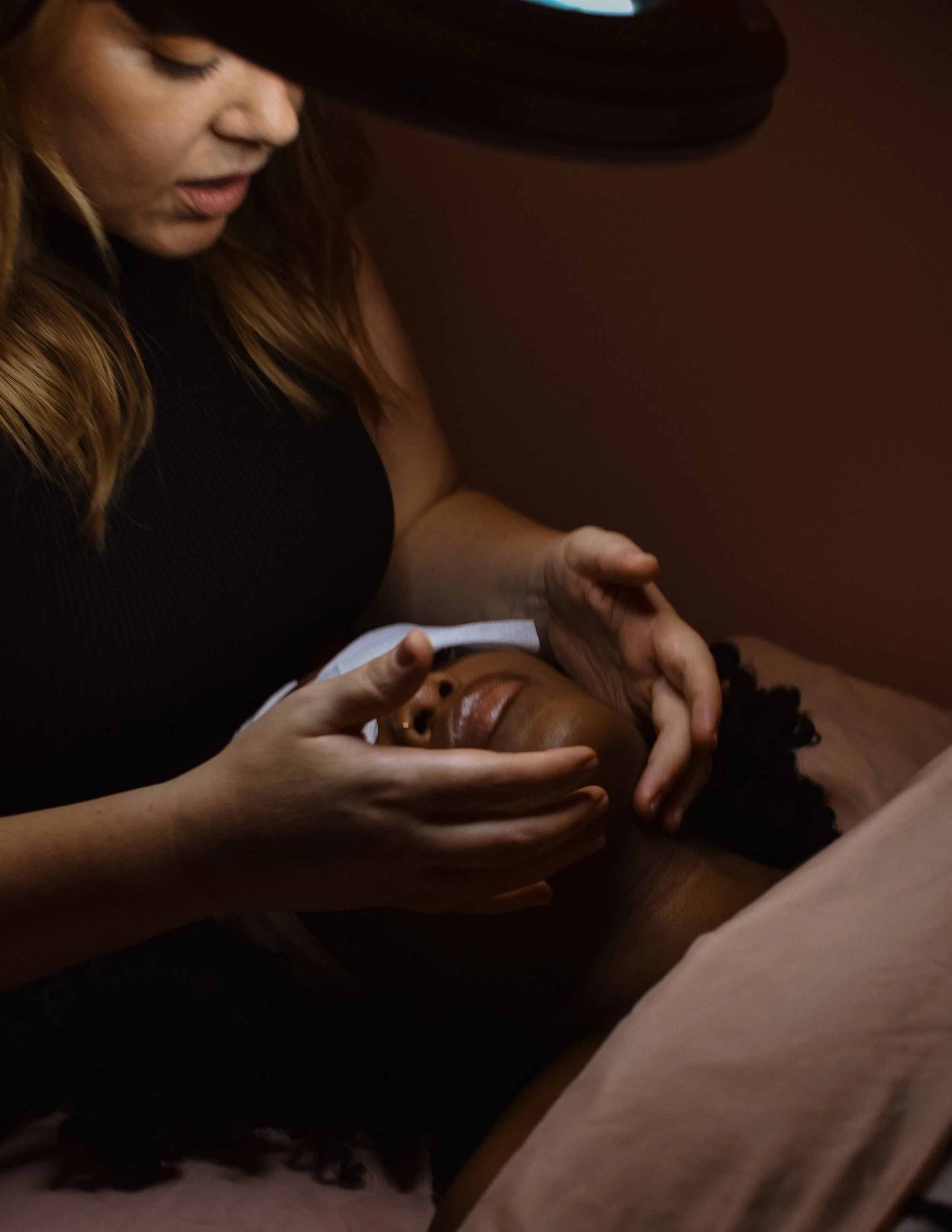
Maybe you woke up one day and thought “I swear I aged overnight” or are just noticing your skin doesn’t bounce back the way it used to, you’re applying more makeup or can’t quite figure out what products work without irritating it.
These are common concern many of my clients have. As we get older there are many factors in play that make our skin less resilient, plump, firm and looking “just not what I’m used to”
Collagen Production Starts Slowing Down
One of the biggest shifts happening beneath the surface is collagen decline. Think of collagen as the frame of the house, it’s what keeps things in place and helps keep skin firm, smooth and resilient,
Starting in our late 20s, collagen production gradually decreases each year. Fine lines become more visible. Skin feels thinner. Less firmness and elasticity. Slight changes in facial contours. Longer recovery from stress or inflammation.
At Mode Beauty NYC, instead of focusing on harsh “anti-aging” approaches I focus on treatments that support collagen.
Skin Cell Turnover Slows Down
When we’re younger, skin naturally sheds dead skin cells quite efficiently and consistently. This process starts to slow down with age and skin looks duller and rougher. When this happens, you may not realize what’s happening but instead may think “my products seem to just sit on my skin instead of soaking in” or why is my makeup looking different”.
Gentle exfoliation and treatments that support healthy circulation can make a huge difference here.
Hormones Play a Bigger Role Than Most People Realize
Perimenopause is finally starting to be talked about thankfully but most people still don’t realize that hormonal shifts often begin earlier than people expect.
Even before perimenopause officially starts, fluctuating hormones can impact:
Oil production
Hydration levels
Sensitivity
Inflammation
Pigmentation
Breakouts
Overall skin texture.
This is why you may have suddenly developed dry skin after being oily for most of your life, started experiencing breakouts when it was never a concern before, or finding your skin is sensitive and reacts to products you’ve been using for years.
Skin becomes less predictable because hormones influence so many different functions simultaneously.
Chronic Stress Starts Showing Up More Clearly
Unfortunately, stress becomes much less forgiving over time. What you could get away with in your 20s-late nights, skipped sleep, travel, alcohol, or stressful periods- now really shows in your skin.
By your late 30s and 40s, the skin’s recovery process tends to slow down. Chronic stress increases inflammation and cortisol levels, both of which can contribute to dullness, dehydration, sensitivity, and accelerated collagen breakdown.
You don’t need to strive for a stress-free life, we life in reality here, but finding ways to support better sleep and stress management along with calming, supportive facial treatments rather than aggressive routines will help soothe stressed skin and reduce inflammation.
What Actually Helps Skin in Your 30s and 40s
At this stage in your life, your skin will respond best to products and treatments that are supportive and strengthening rather than aggressive. And the most important step: consistency.
Regular SPF use. Barrier-supportive skincare. Hydration. Collagen-supportive treatments. Gentle exfoliation. Stress management. Consistent professional care.
The goal shifts from aggressively correcting the skin to helping it function as well as possible.
If this approach resonates with you, click here to learn more about what I offer.
Heather Roberts
Licensed Esthetician
Mode Beauty NYC I Flatiron NYC