
How Stress Shows Up in Your Skin
You might not even feel that stressed but your skin tells a different story. It starts to look a little dull, a little off, breakouts that don’t really make sense, more sensitivity than you used to have, makeup not sitting the same way, and that overall tired look that’s hard to pinpoint. It’s not random, it may be stress showing up on your skin.
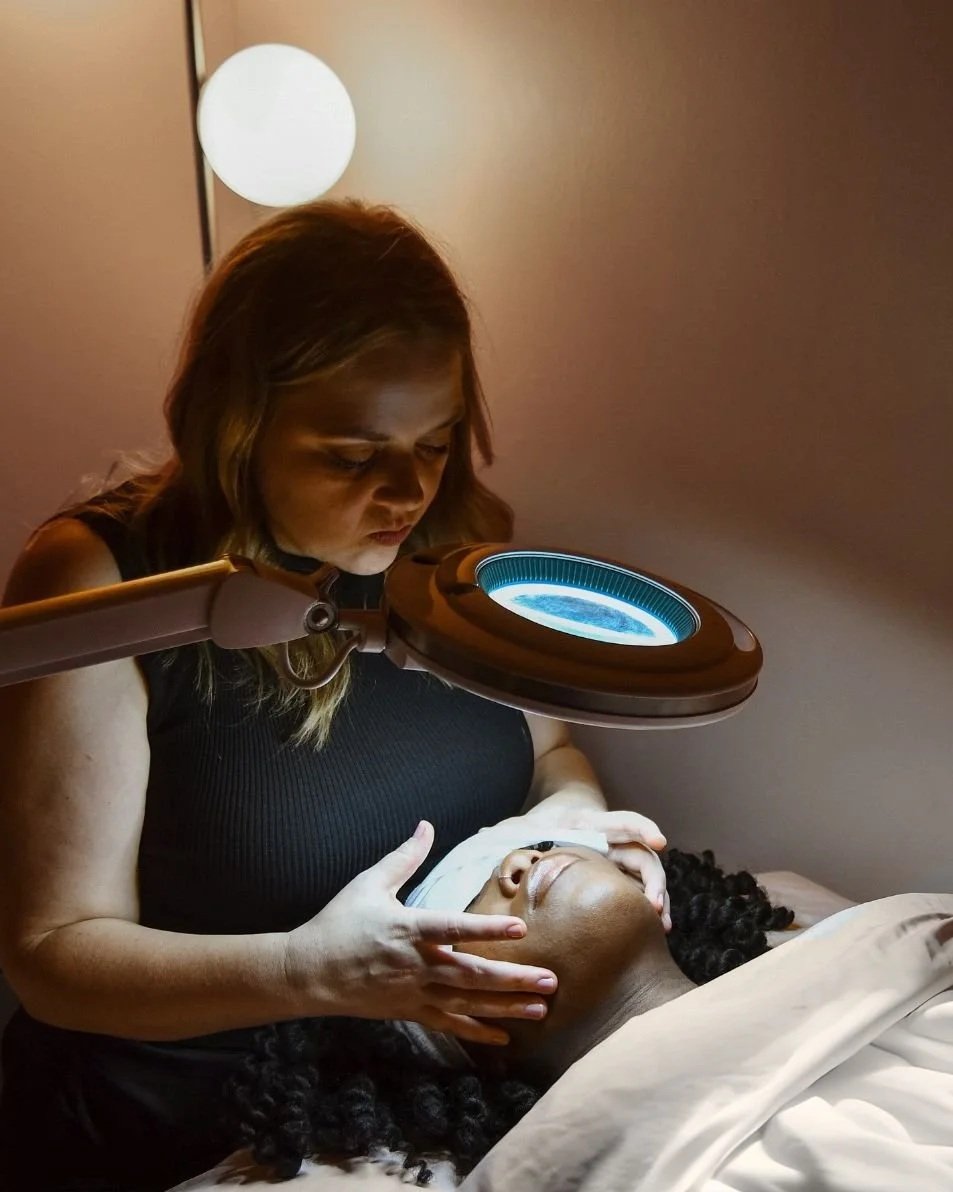
We think of stress as something we feel mentally or emotionally. Most people don’t connect it the changes their seeing in their skin. You might not even feel that stressed but your skin tells a different story.
It starts to look a little dull, a little off, breakouts that don’t really make sense, more sensitivity than you used to have, makeup not sitting the same way, and that overall tired look that’s hard to pinpoint. It may be stress showing up on your skin.
What’s Going On?
When we’re stressed, cortisol levels rise and that leads to a few things that change how our skin is able to function. Inflammation increases, the skin barrier becomes more compromised, oil production can become more irregular, hydration is harder to hold onto, and over time collagen breakdown can accelerate.
That’s when I hear things like “my skin just looks off,” or “I look tired all the time,” or “nothing in my routine is working anymore.”
Your first instinct may be to do more: add another product, buy a new active serum, increase your exfoliation or consider more intense treatments.
Here is where I approach things differently. When clients are stressed, their skin is stressed and it needs support. I support the skin barrier, calm inflammation and restore hydration so the skin can get back to aplace where it’s functioning better.
What Helps?
Facials that focus on circulation, lymphatic drainage, gentle exfoliation, and barrier support instead of aggressive correction. Products that support and nourish your skin rather than support repairing.
If your skin has been feeling off lately and nothing in your routine seems to fully fix it, stress might be part of what you’re seeing. Once we start supporting the skin the changes are noticeable. You’ll notice skin that is calm, less red, less sensitive, softer, smoother and a natural glow. Click here to learn more.
Heather Roberts
Licensed Esthetician
Mode Beauty Skincare Studio I Flatiron NYC
The Skincare Mistakes That Can Make Fine Lines Look More Noticeable
Sometimes fine lines don't become more noticeable because we're aging dramatically overnight. Sometimes they're simply being exaggerated by dehydration, irritation, or a skincare routine that's no longer supporting our skin the way it once did.
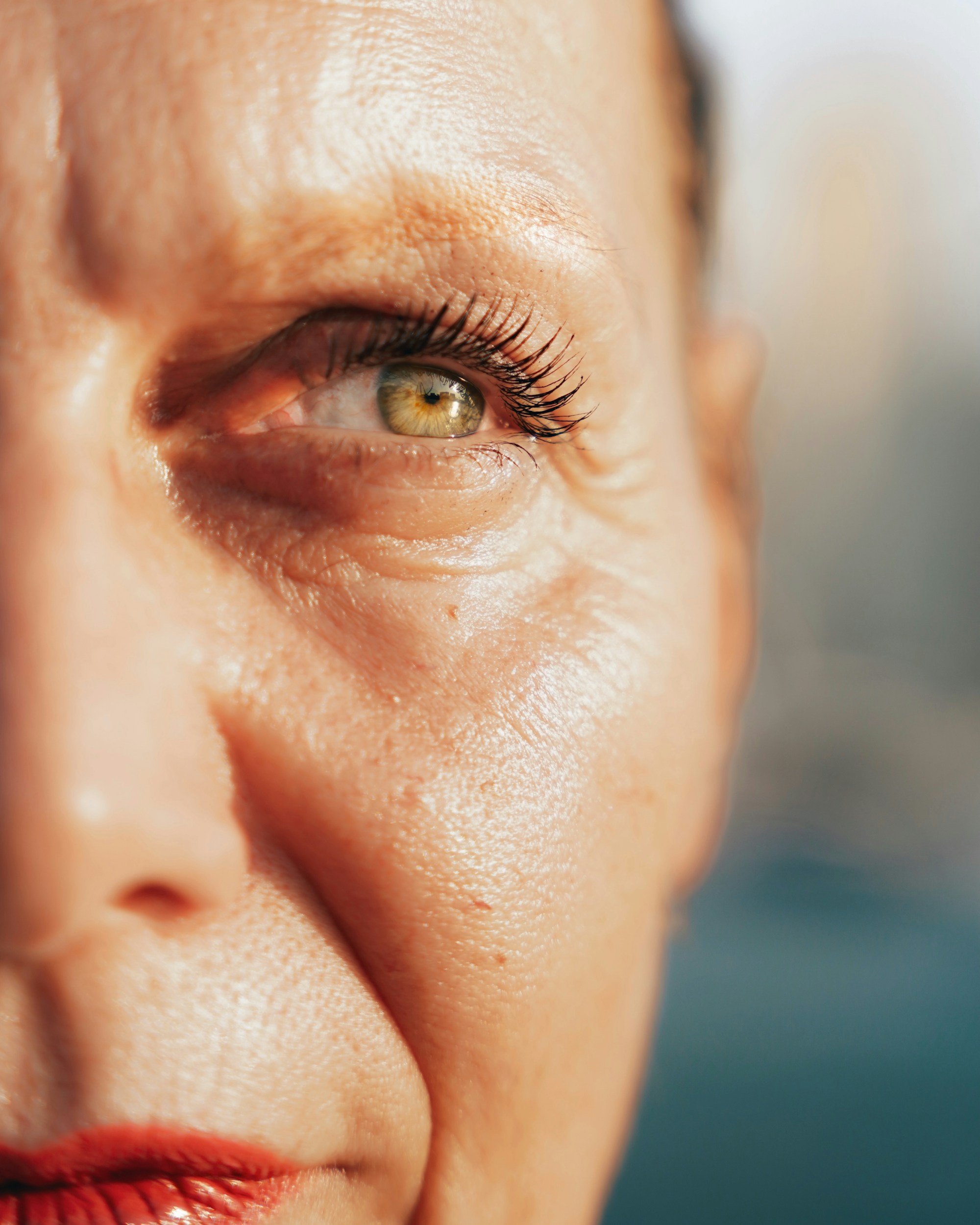
You looked in the mirror and instantly noticed those fine lines seem more noticeable. Your first thought is stronger products or more aggressive treatments, but it's worth looking at something else.
Sometimes fine lines don't become more noticeable because we're aging dramatically overnight. Sometimes they're simply being exaggerated by dehydration, irritation, or a skincare routine that's no longer supporting our skin the way it once did.
We want to “treat” our skin when we notice fine lines but more often than not what our skin really wants is support. Here are some of the common mistakes I see:
Using Too Many Active Ingredients. More isn't always better when it comes to skincare. Layering multiple active ingredients can leave skin irritated, dehydrated, and less resilient, often making fine lines appear more noticeable.
Over-Exfoliating. When skin looks dull, it's tempting to reach for stronger exfoliants. Unfortunately, too much exfoliation can weaken the skin barrier, increase moisture loss, and leave skin looking dry, tight, and crepey.
Trying Every New Product. Constantly switching products can make it difficult for your skin to find balance. More often than not, skin responds better to consistency than chasing every new trend.
Skipping Daily SPF. Daily sun exposure is one of the biggest contributors to collagen breakdown and premature signs of aging. Wearing SPF regularly is one of the simplest ways to support healthy, resilient skin over the long term.
What Should You D0?
When clients come to me concerned about fine lines, my focus is usually pretty simple:
Supporting hydration.
Protecting the skin barrier.
Encouraging healthy collagen production.
Using treatments that work with the skin, not against it.
Healthy, hydrated, and supported skin will always look better than "treated" skin.
The Bottom Line
If your fine lines seem more noticeable lately, it may be a sign that your skin needs a little more support.
If you're noticing more fine lines and aren't sure whether it's aging, dehydration, or something in your routine, that's exactly the kind of thing I help clients navigate every day in the treatment room. Click here to learn more.
Heather Roberts
Licensed Esthetician
Mode Beauty Skincare Studio | Flatiron NYC
Why Your Skin Still Feels Dry Even When You Moisturize
As we get older, our skin naturally changes. Cell turnover slows down. Collagen production gradually declines. Hormonal shifts can affect how much oil our skin produces and can make our skin less resilient, allowing more transepidermal water loss (TEWL).
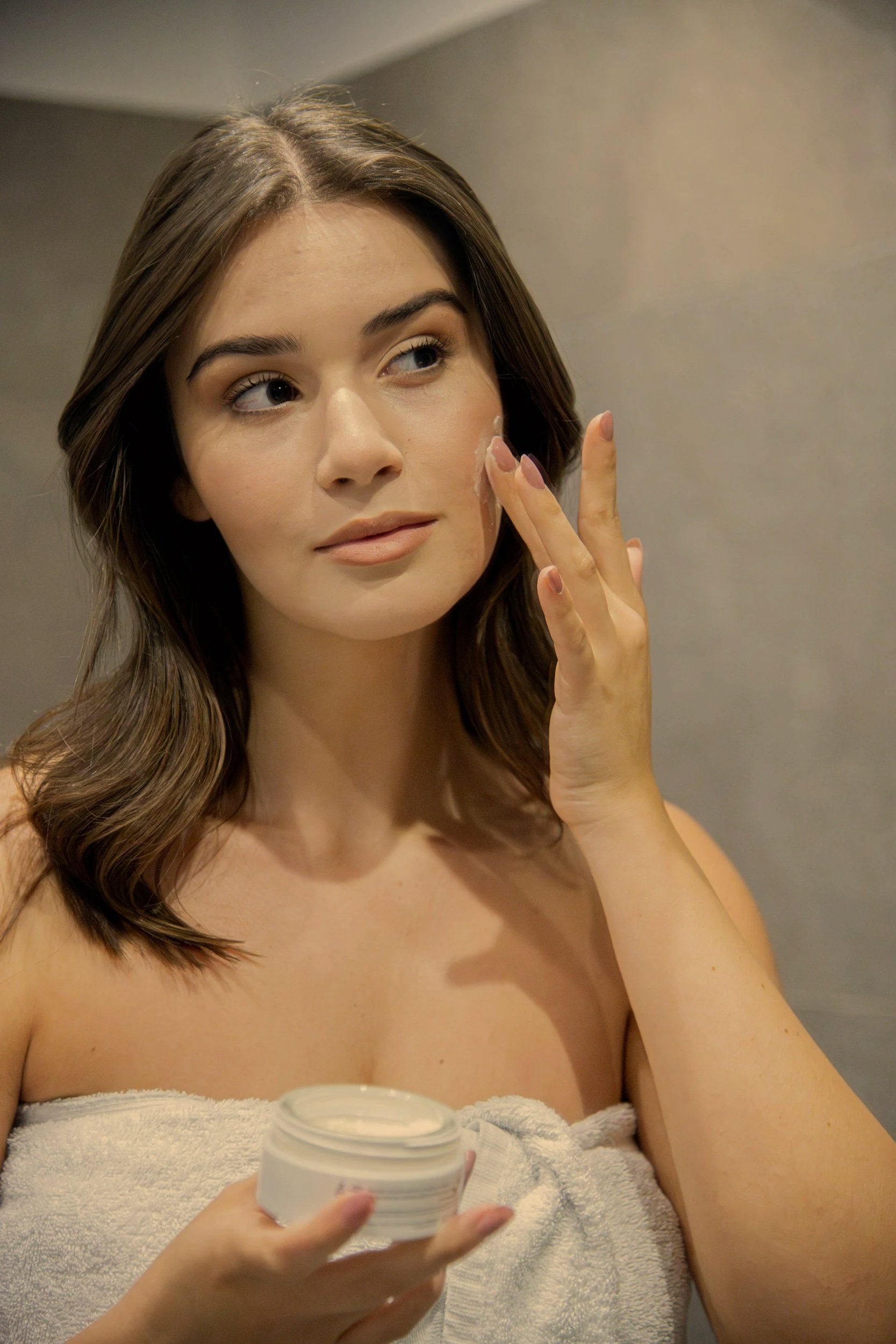
Have you ever put on your moisturizer and thought, "How is my skin still dry?"
So you switch moisturizers, maybe add a facial oil, and try drinking more water, but it doesn't help.
Dry, red, flakey skin is a common complaint I see in my clients who are in their 30s and 40s.
Here is the thing, dry and dehydrated aren’t the same thing.
Dry skin is skin that is lacking in oil
Dehydrated skin is lacking in water
You can have oily skin that is dehydrated and dehydrated skin that is dry. Your skin needs a balance of both to feel calm and hydrated. Confused? Let’s delve deeper.
As we get older, our skin naturally changes. Cell turnover slows down. Collagen production gradually declines. Changes in hormones can affect how much oil our skin produces and can make our skin less resilient, allowing more trans epidermal water loss (TEWL). The products that once worked no longer are as effective and we need to start introducing different ingredients, rather than just oil or water based products.
Your Skin Barrier is Key
Think of your skin barrier as a brick wall- the bricks are skin cells and the mortar is created of ceramides, cholesterol and fatty acids. As we get older our brick wall isn’t as sturdy and our mortar my have some holes in it. This means we see an increase in TEWL and our skin’s function to hold on to hydration isn’t as effective.
What Can You Do?
Instead of focusing only on water-based products, look for ingredients that help support and strengthen your skin barrier.
Lipids help replenish what your skin naturally loses over time. Look for ingredients like ceramides and fatty acids such as jojoba oil.
Humectants help attract water to the skin. Ingredients like glycerin and hyaluronic acid can help boost hydration levels.
Barrier-supporting ingredients such as niacinamide, centella, and peptides can help calm the skin and support overall skin function.
When skin feels dry all the time, I focus on a few things in my treatment room:
Supporting the skin barrier
Focusing on ingredients that help attract and help you skin hold hydration.
Reducing unnecessary inflammation
Helping the skin function better overall
This is also where professional treatments can make a difference. A good facial isn't just about applying products. It can help gently remove buildup, improve circulation, support hydration, and create an environment where the skin can actually use the products you're putting on it.
The Bottom Line
If your skin feels dry no matter what moisturizer you're using, it doesn't necessarily mean you're using the wrong one. Your skin may simply need a different approach and more support than it did in the past.
If this sounds familiar, it's something I see often in the treatment room. It’s something that I can help improve with the right combination of skincare, treatments, and consistency.
If you're not sure what's causing your dryness, I'd be happy to help you figure it out. Book a complimentary skin analysis or a facial here
Heather Roberts
Licensed Esthetician
Mode Beauty Skincare Studio I Flatiron NYC
Why Your Skin Looks Different in Your 30s and 40s
Maybe you woke up one day and thought “I swear I aged overnight” or are just noticing your skin doesn’t bounce back the way it used to, you’re applying more makeup or can’t quite figure out what products work without irritating it.
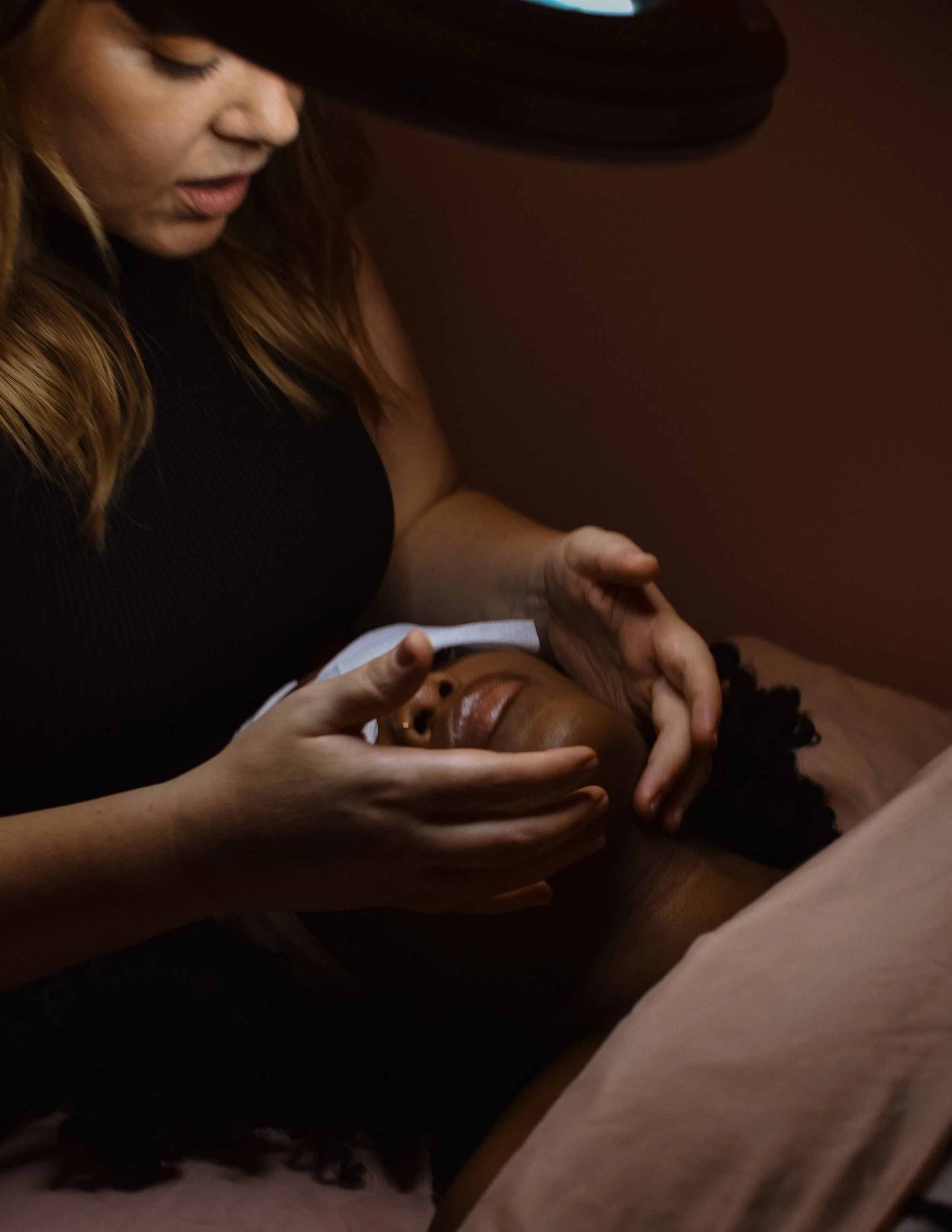
Maybe you woke up one day and thought “I swear I aged overnight” or are just noticing your skin doesn’t bounce back the way it used to, you’re applying more makeup or can’t quite figure out what products work without irritating it.
These are common concern many of my clients have. As we get older there are many factors in play that make our skin less resilient, plump, firm and looking “just not what I’m used to”
Collagen Production Starts Slowing Down
One of the biggest shifts happening beneath the surface is collagen decline. Think of collagen as the frame of the house, it’s what keeps things in place and helps keep skin firm, smooth and resilient,
Starting in our late 20s, collagen production gradually decreases each year. Fine lines become more visible. Skin feels thinner. Less firmness and elasticity. Slight changes in facial contours. Longer recovery from stress or inflammation.
At Mode Beauty NYC, instead of focusing on harsh “anti-aging” approaches I focus on treatments that support collagen.
Skin Cell Turnover Slows Down
When we’re younger, skin naturally sheds dead skin cells quite efficiently and consistently. This process starts to slow down with age and skin looks duller and rougher. When this happens, you may not realize what’s happening but instead may think “my products seem to just sit on my skin instead of soaking in” or why is my makeup looking different”.
Gentle exfoliation and treatments that support healthy circulation can make a huge difference here.
Hormones Play a Bigger Role Than Most People Realize
Perimenopause is finally starting to be talked about thankfully but most people still don’t realize that hormonal shifts often begin earlier than people expect.
Even before perimenopause officially starts, fluctuating hormones can impact:
Oil production
Hydration levels
Sensitivity
Inflammation
Pigmentation
Breakouts
Overall skin texture.
This is why you may have suddenly developed dry skin after being oily for most of your life, started experiencing breakouts when it was never a concern before, or finding your skin is sensitive and reacts to products you’ve been using for years.
Skin becomes less predictable because hormones influence so many different functions simultaneously.
Chronic Stress Starts Showing Up More Clearly
Unfortunately, stress becomes much less forgiving over time. What you could get away with in your 20s-late nights, skipped sleep, travel, alcohol, or stressful periods- now really shows in your skin.
By your late 30s and 40s, the skin’s recovery process tends to slow down. Chronic stress increases inflammation and cortisol levels, both of which can contribute to dullness, dehydration, sensitivity, and accelerated collagen breakdown.
You don’t need to strive for a stress-free life, we life in reality here, but finding ways to support better sleep and stress management along with calming, supportive facial treatments rather than aggressive routines will help soothe stressed skin and reduce inflammation.
What Actually Helps Skin in Your 30s and 40s
At this stage in your life, your skin will respond best to products and treatments that are supportive and strengthening rather than aggressive. And the most important step: consistency.
Regular SPF use. Barrier-supportive skincare. Hydration. Collagen-supportive treatments. Gentle exfoliation. Stress management. Consistent professional care.
The goal shifts from aggressively correcting the skin to helping it function as well as possible.
If this approach resonates with you, click here to learn more about what I offer.
Heather Roberts
Licensed Esthetician
Mode Beauty NYC I Flatiron NYC

“The Best Facial Near Me” How to Find the Best Facial Near You: Insider Tips for Glowing Skin
You're ready to pamper yourself with a facial and you type "best facial near me" into the search bar. Suddenly, you're faced with dozens of options, each claiming to offer the best facial around. It can be overwhelming to figure out where to book your appointment. But don’t worry—I’ve got you covered!
You're ready to pamper yourself with a facial and you type "best facial near me" into the search bar. Suddenly, you're faced with dozens of options, each claiming to offer the best facial around. It can be overwhelming to figure out where to book your appointment. But don’t worry—I’ve got you covered! I'm here to share some top tips and ideas to help you find the best facial near you and connect with a licensed esthetician who will become your skincare bestie. Let's dive in and make that search a breeze!
1. Check Their Instagram: A Picture is Worth a Thousand Words
When searching for a great Esthetician, their Instagram page can tell you a lot about their work and style. Here’s what to look for:
Before and After Photos: These are gold! Check out the results from their facials. Are their clients glowing? Do they show noticeable improvements? Do they have experience working with clients who have the same issues you want to focus on?
Client Testimonials: Happy clients often share their experiences. Look for posts or stories where clients rave about their facials.
Professionalism: Their page should look polished and professional. High-quality photos, informative captions, and engagement with followers are all good signs.
Services Offered: A well-rounded Instagram page will showcase the variety of treatments they offer, giving you a peek into what might be right for you.
Vibe: Get a feel for their vibe and personality. This one isn't mandatory, but it’s nice when you feel comfortable and happy to go see your esthetician. Look for someone who seems friendly, approachable, and genuinely passionate about skincare. A great vibe can turn a good facial into a fantastic experience!
2. Verify Licensure: Safety First
This one’s super important—always make sure your esthetician is licensed. Here’s why:
Training and Expertise: Licensed estheticians have undergone rigorous training and education. They know their stuff!
Health and Safety Standards: A valid license ensures they adhere to strict health and safety regulations, keeping you safe and sound during your treatment.
How to Check: Many states have online databases where you can verify an esthetician’s license. Just search for your state’s licensing board and enter their name.
3. Questions to Ask Your Esthetician: Get the Scoop
Don’t be shy—asking questions is key to finding the best facial. Here are some questions to consider:
What’s Your Experience? Find out how long they’ve been practicing and what their specialties are. Experience often means they’ve seen and treated a wide range of skin concerns.
What Products Do You Use? The quality of products used during your facial can make a big difference. Ask about the brands and ingredients they use, and why they prefer them.
Can You Customize Treatments? Everyone’s skin is unique. Make sure they’re willing to tailor the facial to your specific needs and concerns.
What Should I Expect Post-Facial? Good estheticians will provide aftercare advice and let you know what to expect in terms of results and potential side effects.
4. Read Reviews: Real Talk from Real Clients
Reviews can be incredibly helpful when choosing an esthetician. Here’s how to make the most of them:
Google and Yelp: These platforms are filled with client reviews. Look for patterns—consistent praise is a great sign, while repeated complaints might be a red flag.
Social Media Reviews: Facebook and Instagram often feature reviews and ratings. Don’t forget to check the comments on posts for more candid feedback.
Word of Mouth: Sometimes, the best recommendations come from friends and family. Ask around to see if anyone you know has a favorite esthetician.
5. Visit the Spa: First Impressions Matter
If possible, visit the spa or salon before booking your appointment. Here’s what to look for:
Cleanliness: The space should be spotless. Clean tools and a tidy environment are non-negotiable.
Ambiance: A relaxing atmosphere can enhance your facial experience. Look for a calm, soothing environment where you can unwind.
Friendly Staff: The staff should be welcoming and knowledgeable. They should be happy to answer your questions and make you feel at ease.
Finding the best facial near you doesn’t have to be a chore. With these tips, you’re well on your way to discovering a fantastic esthetician who will leave your skin looking and feeling amazing. So go ahead, do your research, ask the right questions, and treat yourself to that well-deserved glow-up. Your skin will thank you!
Want to chat with me about your skin and the best options for you? At Mode Beauty NYC in Flatiron NYC, I specialize in healthy skin fundamentals. After all, healthy skin is happy skin! By using corrective skincare, advanced facial treatments, and expert homecare routines, we'll achieve your skincare goals together. Whether you're looking to focus on anti-aging, reducing texture and pigmentation, or softening scars and wrinkles, I've got you covered. Schedule a consultation here to get personalized skincare and treatment recommendations tailored just for you.
Let’s glow together,
Heather Roberts
Licensed Esthetician
Mode Beauty NYC