
How Stress Shows Up in Your Skin
You might not even feel that stressed but your skin tells a different story. It starts to look a little dull, a little off, breakouts that don’t really make sense, more sensitivity than you used to have, makeup not sitting the same way, and that overall tired look that’s hard to pinpoint. It’s not random, it may be stress showing up on your skin.
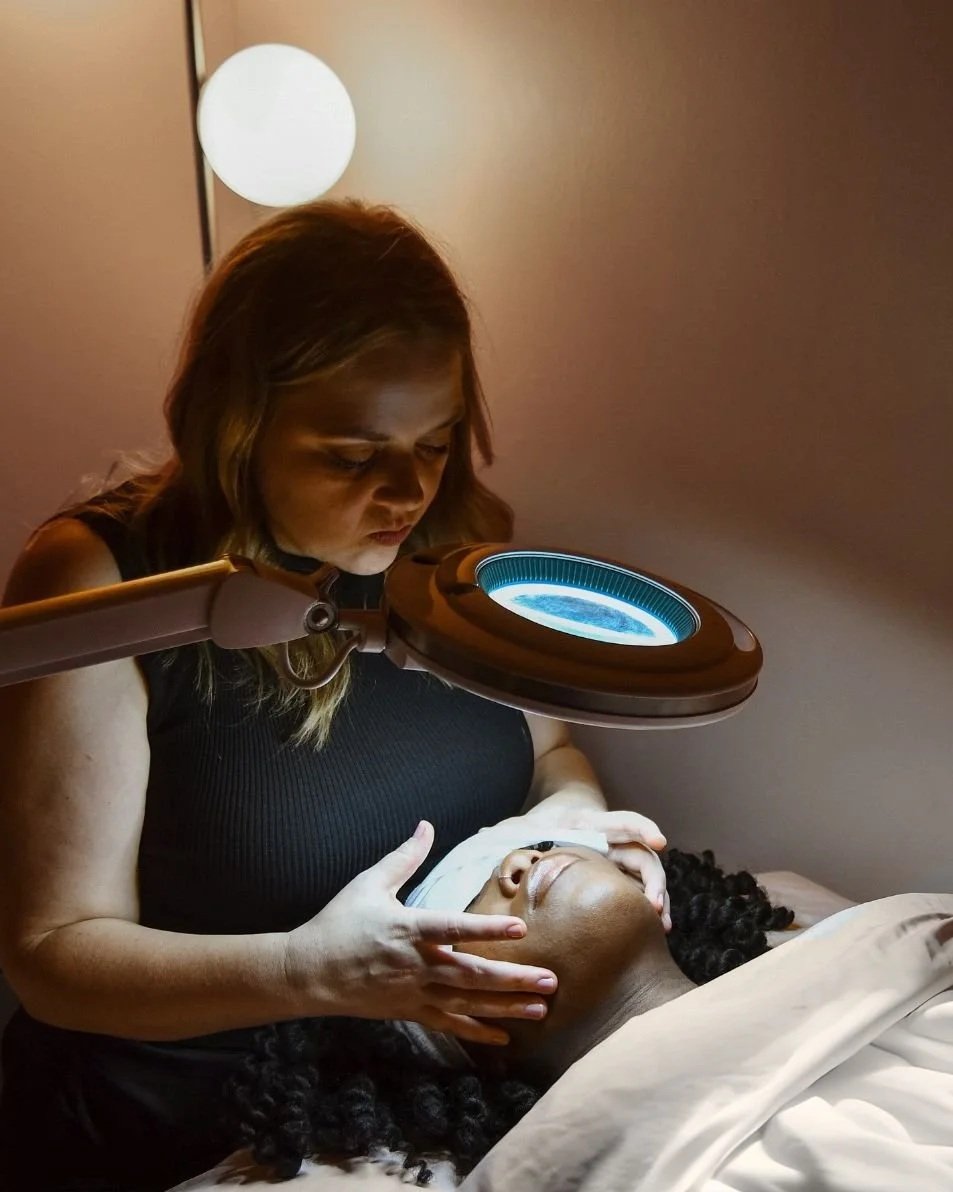
We think of stress as something we feel mentally or emotionally. Most people don’t connect it the changes their seeing in their skin. You might not even feel that stressed but your skin tells a different story.
It starts to look a little dull, a little off, breakouts that don’t really make sense, more sensitivity than you used to have, makeup not sitting the same way, and that overall tired look that’s hard to pinpoint. It may be stress showing up on your skin.
What’s Going On?
When we’re stressed, cortisol levels rise and that leads to a few things that change how our skin is able to function. Inflammation increases, the skin barrier becomes more compromised, oil production can become more irregular, hydration is harder to hold onto, and over time collagen breakdown can accelerate.
That’s when I hear things like “my skin just looks off,” or “I look tired all the time,” or “nothing in my routine is working anymore.”
Your first instinct may be to do more: add another product, buy a new active serum, increase your exfoliation or consider more intense treatments.
Here is where I approach things differently. When clients are stressed, their skin is stressed and it needs support. I support the skin barrier, calm inflammation and restore hydration so the skin can get back to aplace where it’s functioning better.
What Helps?
Facials that focus on circulation, lymphatic drainage, gentle exfoliation, and barrier support instead of aggressive correction. Products that support and nourish your skin rather than support repairing.
If your skin has been feeling off lately and nothing in your routine seems to fully fix it, stress might be part of what you’re seeing. Once we start supporting the skin the changes are noticeable. You’ll notice skin that is calm, less red, less sensitive, softer, smoother and a natural glow. Click here to learn more.
Heather Roberts
Licensed Esthetician
Mode Beauty Skincare Studio I Flatiron NYC
Why Your Skin Still Feels Dry Even When You Moisturize
As we get older, our skin naturally changes. Cell turnover slows down. Collagen production gradually declines. Hormonal shifts can affect how much oil our skin produces and can make our skin less resilient, allowing more transepidermal water loss (TEWL).
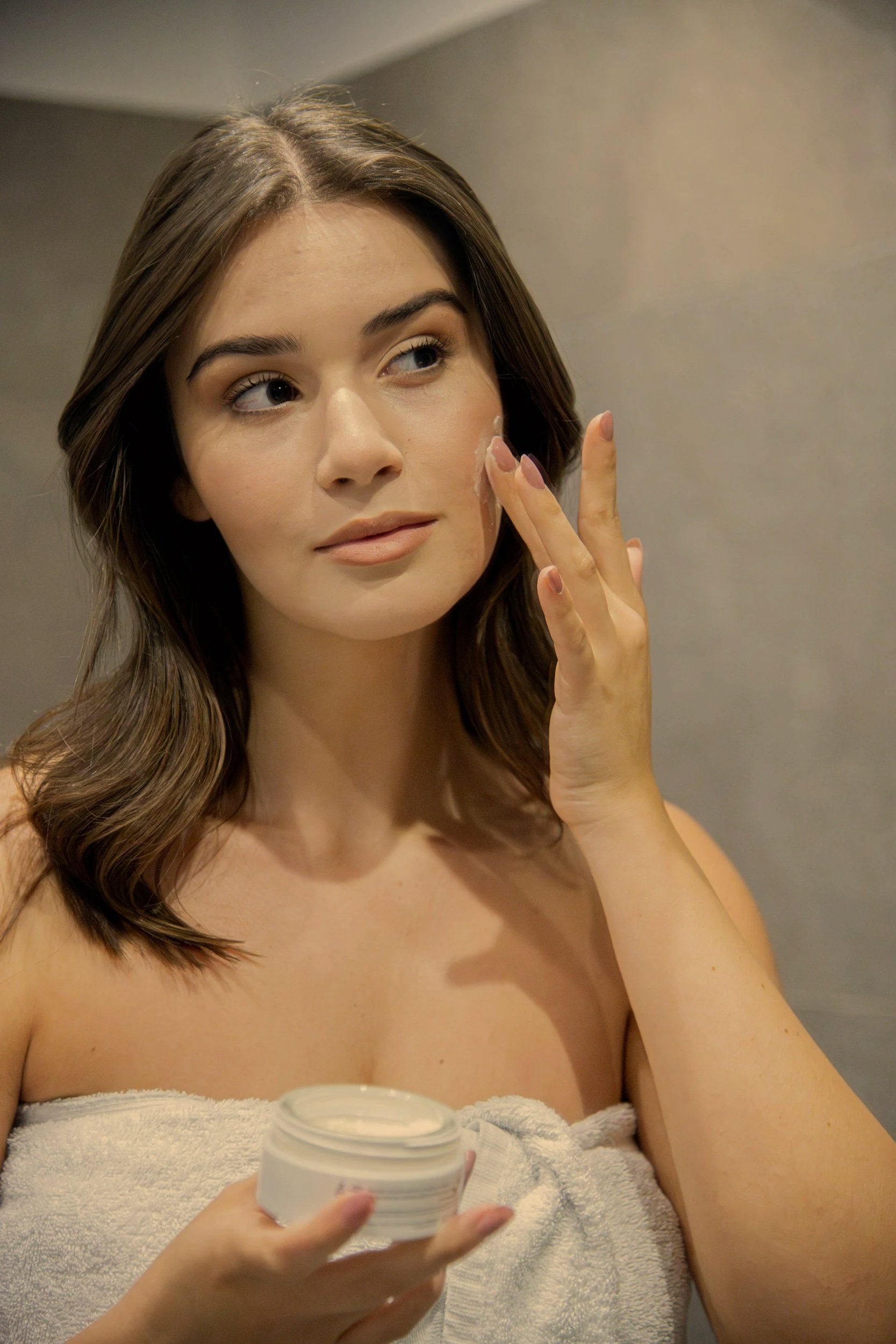
Have you ever put on your moisturizer and thought, "How is my skin still dry?"
So you switch moisturizers, maybe add a facial oil, and try drinking more water, but it doesn't help.
Dry, red, flakey skin is a common complaint I see in my clients who are in their 30s and 40s.
Here is the thing, dry and dehydrated aren’t the same thing.
Dry skin is skin that is lacking in oil
Dehydrated skin is lacking in water
You can have oily skin that is dehydrated and dehydrated skin that is dry. Your skin needs a balance of both to feel calm and hydrated. Confused? Let’s delve deeper.
As we get older, our skin naturally changes. Cell turnover slows down. Collagen production gradually declines. Changes in hormones can affect how much oil our skin produces and can make our skin less resilient, allowing more trans epidermal water loss (TEWL). The products that once worked no longer are as effective and we need to start introducing different ingredients, rather than just oil or water based products.
Your Skin Barrier is Key
Think of your skin barrier as a brick wall- the bricks are skin cells and the mortar is created of ceramides, cholesterol and fatty acids. As we get older our brick wall isn’t as sturdy and our mortar my have some holes in it. This means we see an increase in TEWL and our skin’s function to hold on to hydration isn’t as effective.
What Can You Do?
Instead of focusing only on water-based products, look for ingredients that help support and strengthen your skin barrier.
Lipids help replenish what your skin naturally loses over time. Look for ingredients like ceramides and fatty acids such as jojoba oil.
Humectants help attract water to the skin. Ingredients like glycerin and hyaluronic acid can help boost hydration levels.
Barrier-supporting ingredients such as niacinamide, centella, and peptides can help calm the skin and support overall skin function.
When skin feels dry all the time, I focus on a few things in my treatment room:
Supporting the skin barrier
Focusing on ingredients that help attract and help you skin hold hydration.
Reducing unnecessary inflammation
Helping the skin function better overall
This is also where professional treatments can make a difference. A good facial isn't just about applying products. It can help gently remove buildup, improve circulation, support hydration, and create an environment where the skin can actually use the products you're putting on it.
The Bottom Line
If your skin feels dry no matter what moisturizer you're using, it doesn't necessarily mean you're using the wrong one. Your skin may simply need a different approach and more support than it did in the past.
If this sounds familiar, it's something I see often in the treatment room. It’s something that I can help improve with the right combination of skincare, treatments, and consistency.
If you're not sure what's causing your dryness, I'd be happy to help you figure it out. Book a complimentary skin analysis or a facial here
Heather Roberts
Licensed Esthetician
Mode Beauty Skincare Studio I Flatiron NYC

Unlock Smooth Skin: Your Laser Hair Removal Questions Answered
Dive into the world of laser hair removal with insights from an expert with over 15 years of experience. Discover how this transformative treatment works, its benefits, and why choosing the right provider matters. Whether you're new to laser hair removal or seeking advanced insights, this guide has everything you need to know for smooth, hair-free skin.
Laser hair removal is a true game changer for you and your beauty routine. It’s a long-term solution to unwanted hair with minimal hassle, saving you time, money and freeing you from razor burn, ingrown hairs, stubble and more. If you've ever wondered about this transformative treatment, read on as I answer some of the most common questions I get asked.
Understanding Laser Hair Removal
Laser hair removal works by targeting hair follicles with concentrated light energy. This light is absorbed by the pigment in the hair, damaging the follicle and inhibiting future growth. It's a precise and effective method that can significantly reduce hair growth over time.
Is Laser Hair Removal Safe?
Yes, laser hair removal is safe when performed by a trained professional using appropriate equipment. Modern technology ensures treatments are comfortable and effective for various skin types.
What to Expect During Treatment
During your session, you'll feel a mild snapping sensation as the laser targets the hair follicles. Most clients find it tolerable, likening it to a rubber band snap. The duration of each session depends on the treatment area's size, but sessions are typically quick.
How Many Sessions Are Needed?
Achieving optimal results usually requires at least 5 sessions, typically spaced 4-6 weeks apart. This schedule ensures all hair follicles are targeted in their active growth phase, leading to smoother skin over time. You may choose to continue sessions to continue seeing more reduction.
Post-Treatment Care
After treatment, you may experience mild redness or sensitivity, similar to a sunburn. It's essential to avoid direct sun exposure and apply sunscreen regularly to protect the treated skin.
Are the Results Permanent?
While laser hair removal can significantly reduce hair growth, it's not always permanent. Maintenance sessions may be needed to maintain smooth skin, but many clients experience long-lasting results with finer, lighter hair regrowth.
Choosing the Right Provider
Selecting a reputable provider is crucial for safe and effective laser hair removal. Look for certified professionals with experience in treating your skin type and the area you wish to treat.
Conclusion
Laser hair removal offers a convenient and long-term solution to managing unwanted hair. By understanding the process and selecting the right provider, you can achieve smoother, hair-free skin with confidence.
At Mode Beauty NYC, conveniently located in Flatiron NYC, I specialize in expert laser hair removal for all skin tones. With over 15 years of dedicated expertise, I am committed to precision and client comfort. Discover the best laser hair removal solutions tailored to your needs. Book your consultation today and find out why I've earned over 70 5-star reviews. Click here for smooth, hair free skin!