
Chemical Peels at Mode Beauty NYC
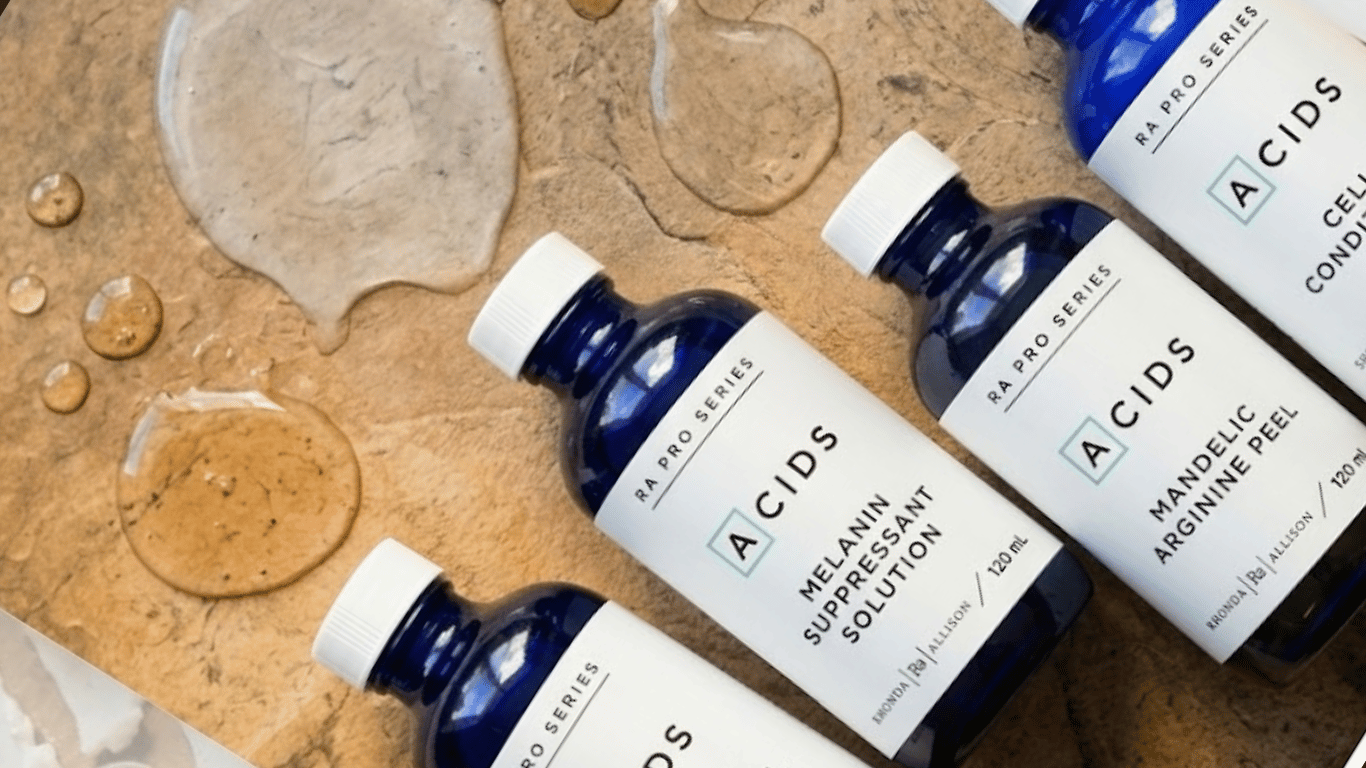
If the word "peel" makes you picture red, peeling skin and a week hiding indoors, this page will change your mind. In my Flatiron studio, I use Rhonda Allison peels, a next-generation approach that works with your skin, not against it. Here's what makes them different, what to expect, and how to know if one is right for you.
What Does a Chemical Peel Do?
Think of a chemical peel as exfoliation, but boosted. It helps your skin let go of dull, damaged skin so that the healthier skin underneath shows.
You'll notice brighter tone, smoother texture, softer lines and skin that just looks more vibrant and awake. Over time, peels also strengthen your skin so that it renews and repairs itself better. The benefits build the more consistent you are.
What Makes Rhonda Allison Peels Different
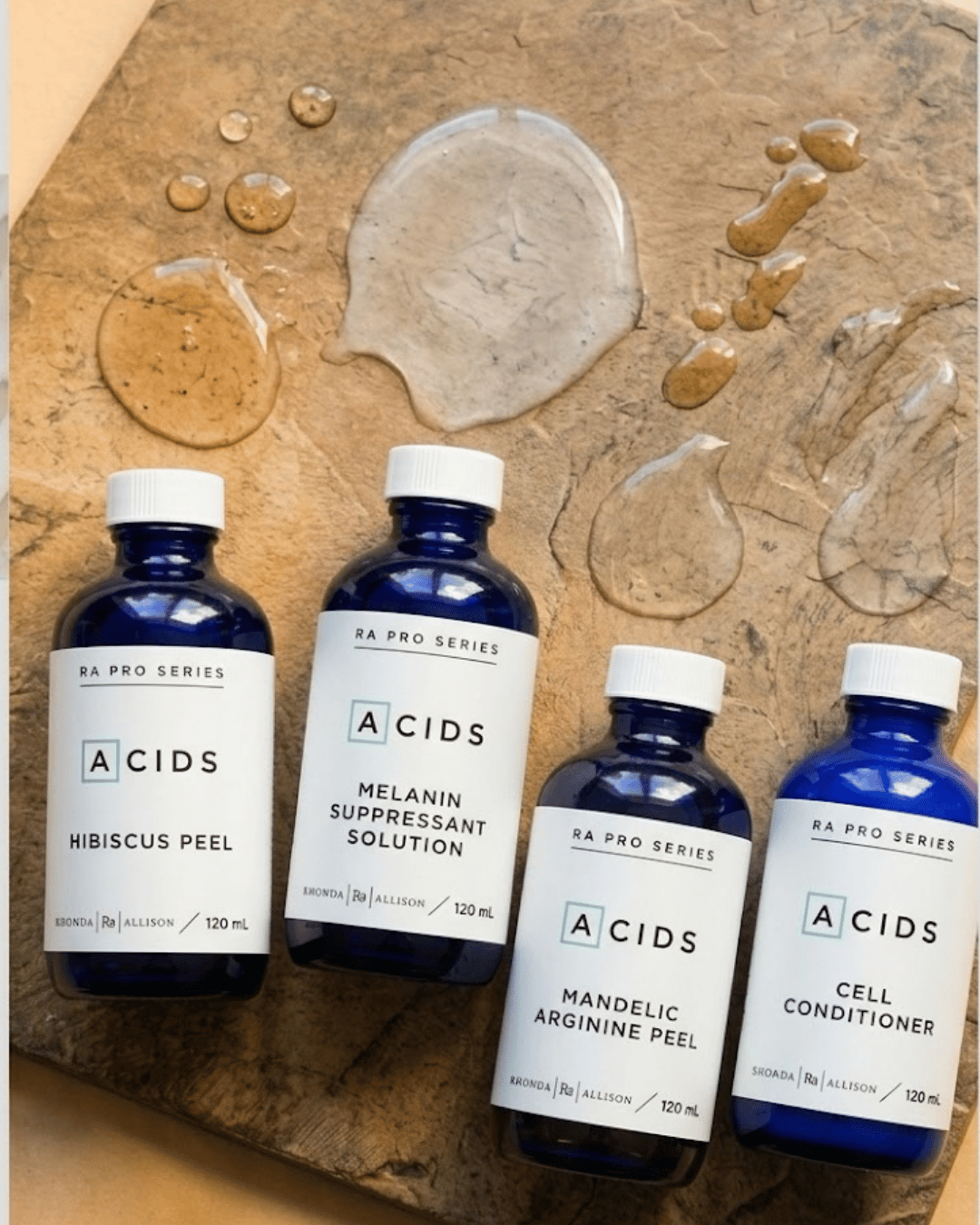
Most peels use a single acid at a fixed strength. You may have heard terms such as AHA, Glycolic, Salicylic combined with a percentage number. Rhonda Allison peels are different: they use next-generation acids mostly derived from botanical sources, layered individually. Instead of one aggressive application, your skin is prepped, nourished, and treated in stages so that it's building resilience and absorbing ingredients while it's being resurfaced. It's a gentler process that corrects and rebuilds, rather than just stripping away the top layer and hoping your skin recovers well on its own.
How Does It Work?
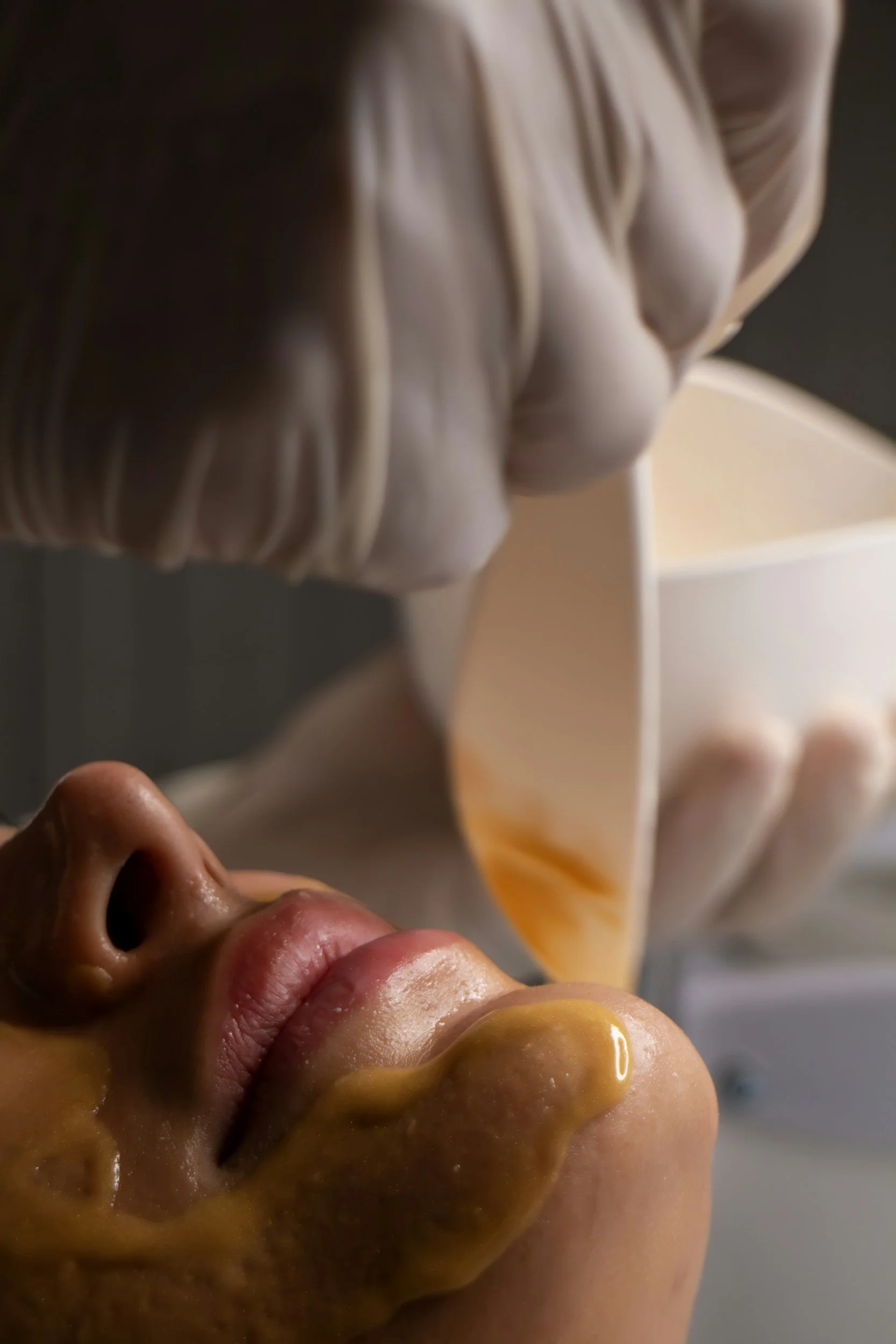
Each layer serves a purpose. Some prep the skin's surface, some deliver the acid itself, and others have ingredients that nourish and calm. Because I can choose what layers and how many applications, rather than one single acid, I can customize the depth and intensity in real time while I'm assessing your skin's response. You'll always get a peel that's right for your skin that day.
Does It Hurt?
You'll likely feel some warmth, tingling, or mild stinging during application. Most clients describe it as manageable, not painful. If anything feels like too much, tell me and we adjust immediately.
Are There Any Risks?
Peels are generally very safe when done by a trained professional, but you may experience:
Temporary redness or warmth
Mild sensitivity for a day or two
Light flaking or dryness as skin renews
If you're pregnant, on Accutane, or have certain active skin conditions, this may not be the right treatment right now but I can always build a plan to get you there.
Is There Downtime?
This is one of the great benefits of my peels. The layering technique lets me customize each treatment based on how much downtime fits your lifestyle, from no-downtime options to a more intense peeling experience for deeper results.
How to Prep for Your Appointment
To get the best results and avoid irritation, here’s how to prep:
Pause any retinoids, exfoliants, or acids 3–5 days before
No sun exposure or self-tanner pre-treatment
Avoid alcohol 24 hours before
Let me know if you're prone to cold sores (we may need to pre-treat)
What to Expect After Treatment
The first 24 hours: Skin may feel warm and slightly tight, similar to mild sun exposure. This is normal and typically fades quickly.
Days 2–4: You may notice light flaking or dryness as your skin renews itself. Keep it hydrated and protected.
By day 5+: Skin looks brighter, smoother, and more even. Results keep getting better over the following weeks as new cell turnover continues.
How Many Sessions Will I Need?
One peel is a great one-time refresh, and a series of peels allows for deeper, longer-lasting results. For correcting specific concerns like texture, tone, fine lines, and dullness, a series spaced 3–4 weeks apart will give you noticeable, lasting changes.
Ready to Try It?
My chemical peels are a client favorite because they deliver real, visible results while letting you choose how much downtime fits your life. Whether you're dealing with texture, tone, or just want a brighter reset, I'd love to talk through whether this is the right fit for you.
Book a Consultation or ask me about peels at your next visit